Essential Practices for Gold Mitigation of Electronic Components
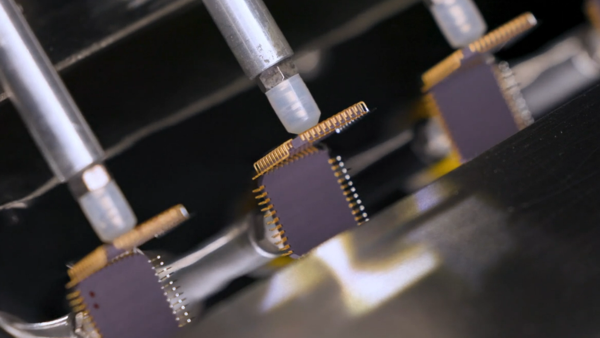
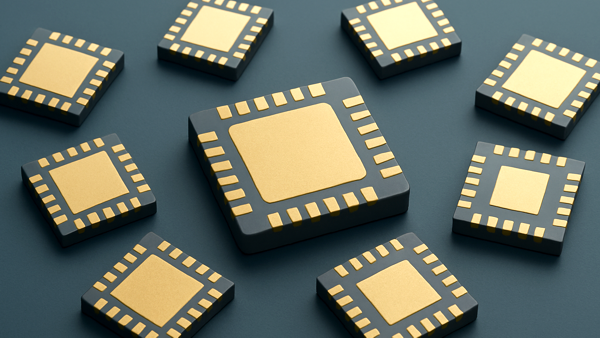
Gold mitigation is critical to preventing gold embrittlement and ensuring solder joint reliability. This paper outlines IPC-compliant gold removal practices, including robotic hot solder dip, to reduce risk, control process variables, and protect high-reliability assemblies.
LEARN MORE
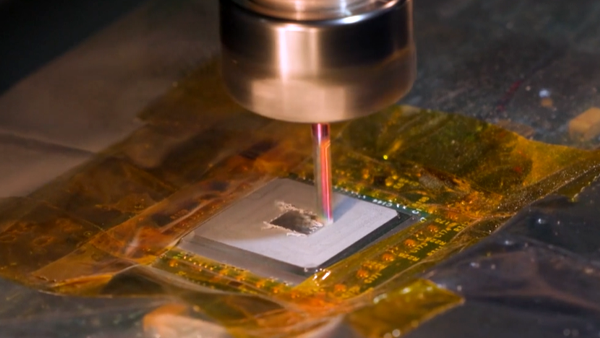
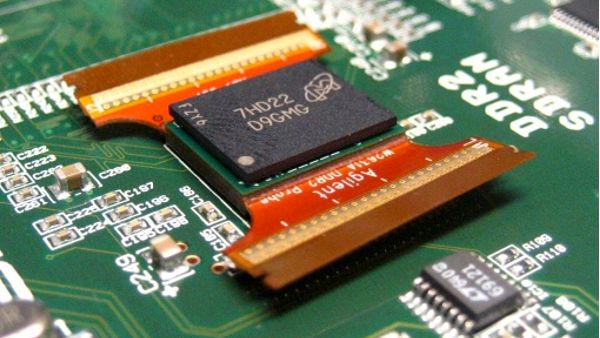
Cold Precision Milling for Underfilled BGA Component Removal
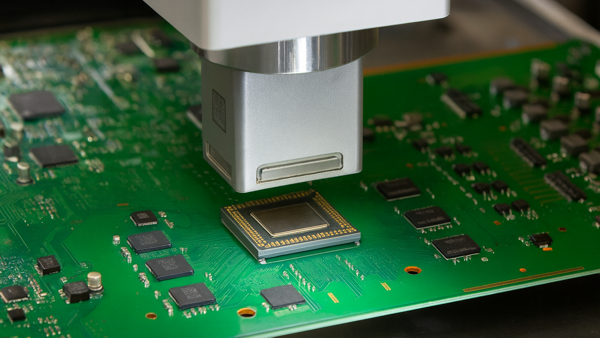
Cold precision milling offers a low-thermal alternative for underfilled BGA rework, reducing pad damage and delamination risk. It improves salvage rates on high-value, high-reliability assemblies where traditional thermal removal drives scrap decisions.
LEARN MORE
Component Reclamation as a Strategic Solution for Cost Recovery
Component reclamation recovered high-value parts from obsolete PCB assemblies, reducing costs and supply risk. Controlled rework and IPC-compliant processes ensured reliability. This approach converts scrap into usable inventory.
LEARN MORE
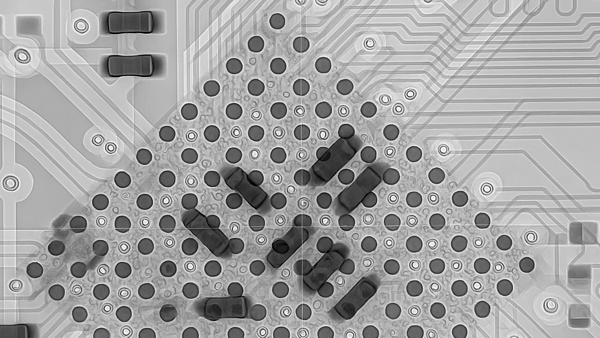
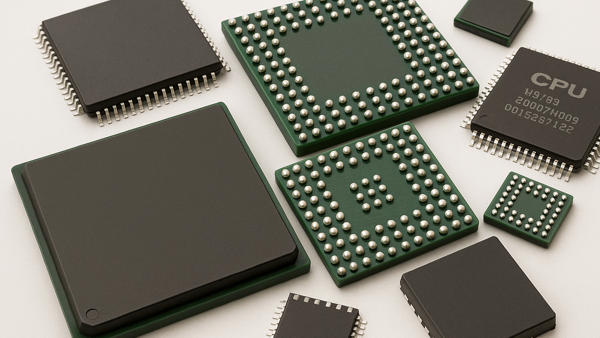
The Essential Guide for High-Reliability BGA Component Reballing
This guide details proven methods for BGA reballing, including SAC305-to-Sn63Pb37 conversion for high-reliability applications. It outlines controlled deballing, alignment, inspection, and testing practices to ensure compliant, defect-free solder ball replacement.
LEARN MORE
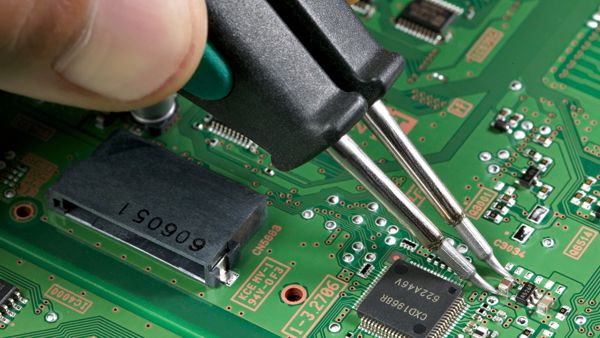
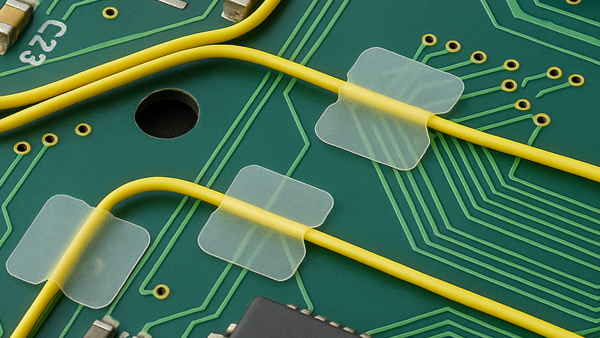
Improving Long-Term Reliability Through Structured Jumper Wire Control
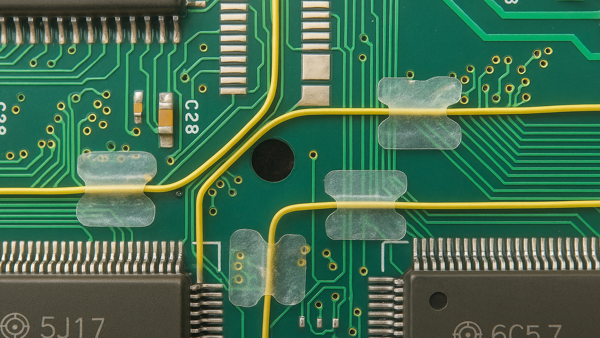
Improper jumper wire installation created vibration-induced solder fractures in high-reliability assemblies. By implementing structured routing, bonding, and documentation controls, Circuit Technology Center reduced field failures and improved long-term reliability.
LEARN MORE
Critical Considerations for Electronic Component Tin Whisker Mitigation
Tin whisker growth on electronic components can cause electrical shorts and system failures. This analysis explains growth mechanisms, environmental influences, coating effectiveness, and robotic hot-solder dip processing to eliminate tin whiskers.
LEARN MORE
The Economics of Electronic Component Salvage and Reuse
Electronic component salvage and reuse offer measurable cost and energy savings, especially for high-value semiconductors. With controlled reconditioning and traceability, component reclamation supports sustainability while maintaining supply chain reliability.
LEARN MORE
Keys to Component Lead Tinning Success
Master component lead tinning with proven robotic hot solder dip (RHSD) methods that remove gold plating, prevent embrittlement, and control solder thickness. Learn process parameters, testing protocols, and compliance steps for high-reliability electronics.
LEARN MORE
10 Essential Rules for Circuit Board Jumper Wires
This paper defines ten essential rules for reliable jumper wire installation. It covers placement, routing, insulation, bonding, and documentation to ensure electrical integrity and long-term performance. These best practices strengthen reliability and serviceability.
LEARN MORE
Avoiding the 6 Most Common Mistakes in BGA Rework
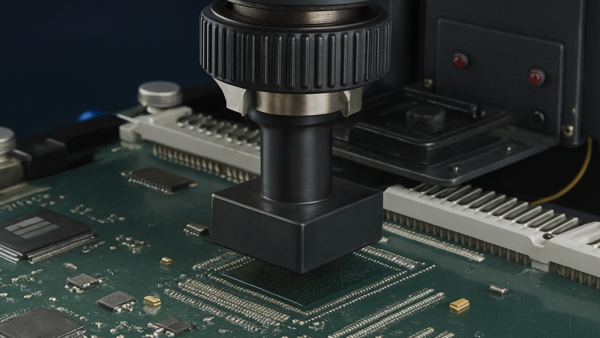
Successful BGA rework depends on skilled technicians, proper equipment, precise thermal profiles, and disciplined inspection. Avoiding six common mistakes improves yields, reduces rework cycles, and protects assembly integrity.
LEARN MORE